
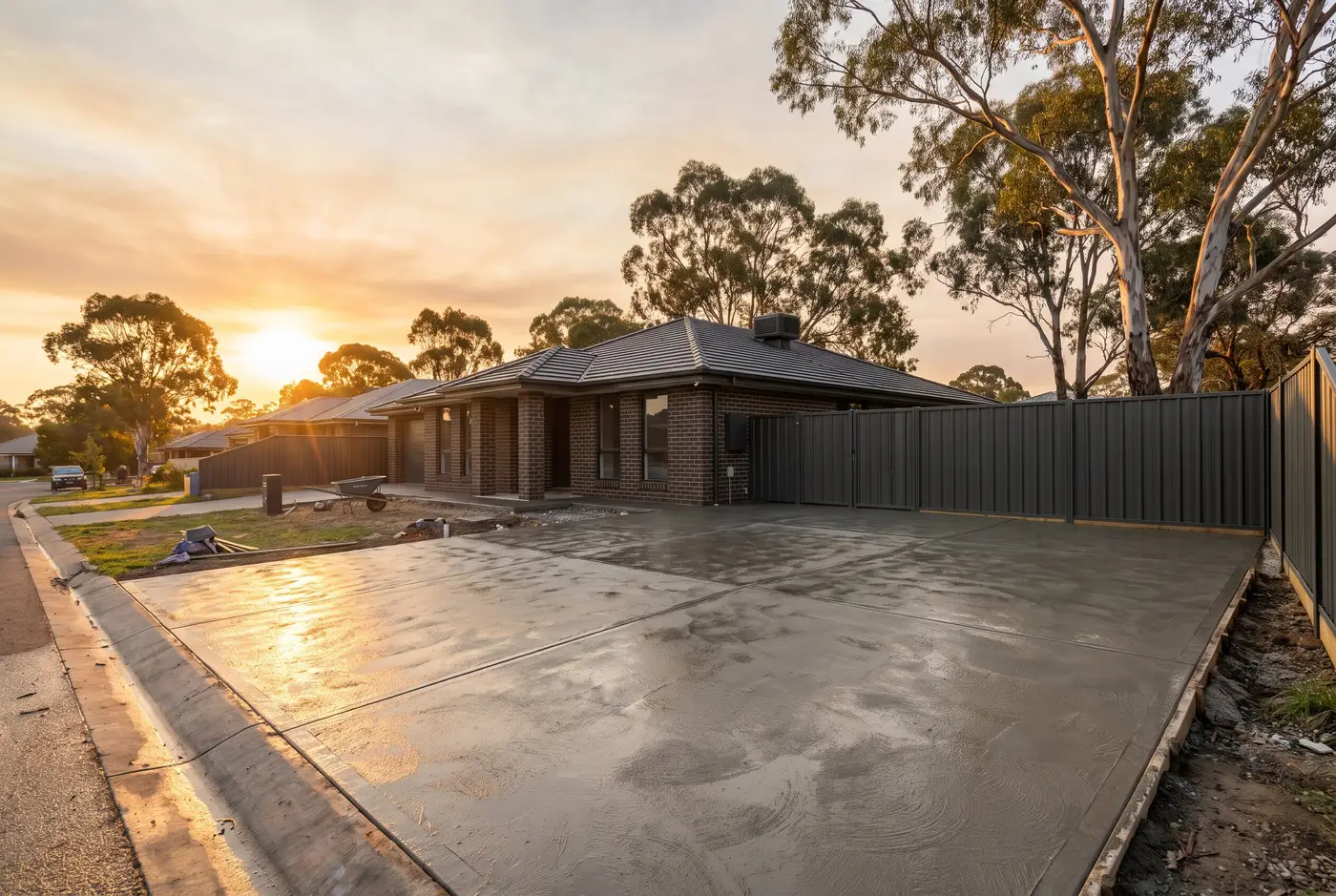
A garden shed is a practical way to add storage or a small workshop to your property, and its foundation makes all the difference to how long it lasts and how well it works. A concrete slab is one of the best options for a sturdy, durable base. Here are the key things to keep in mind when putting a shed on a concrete slab.
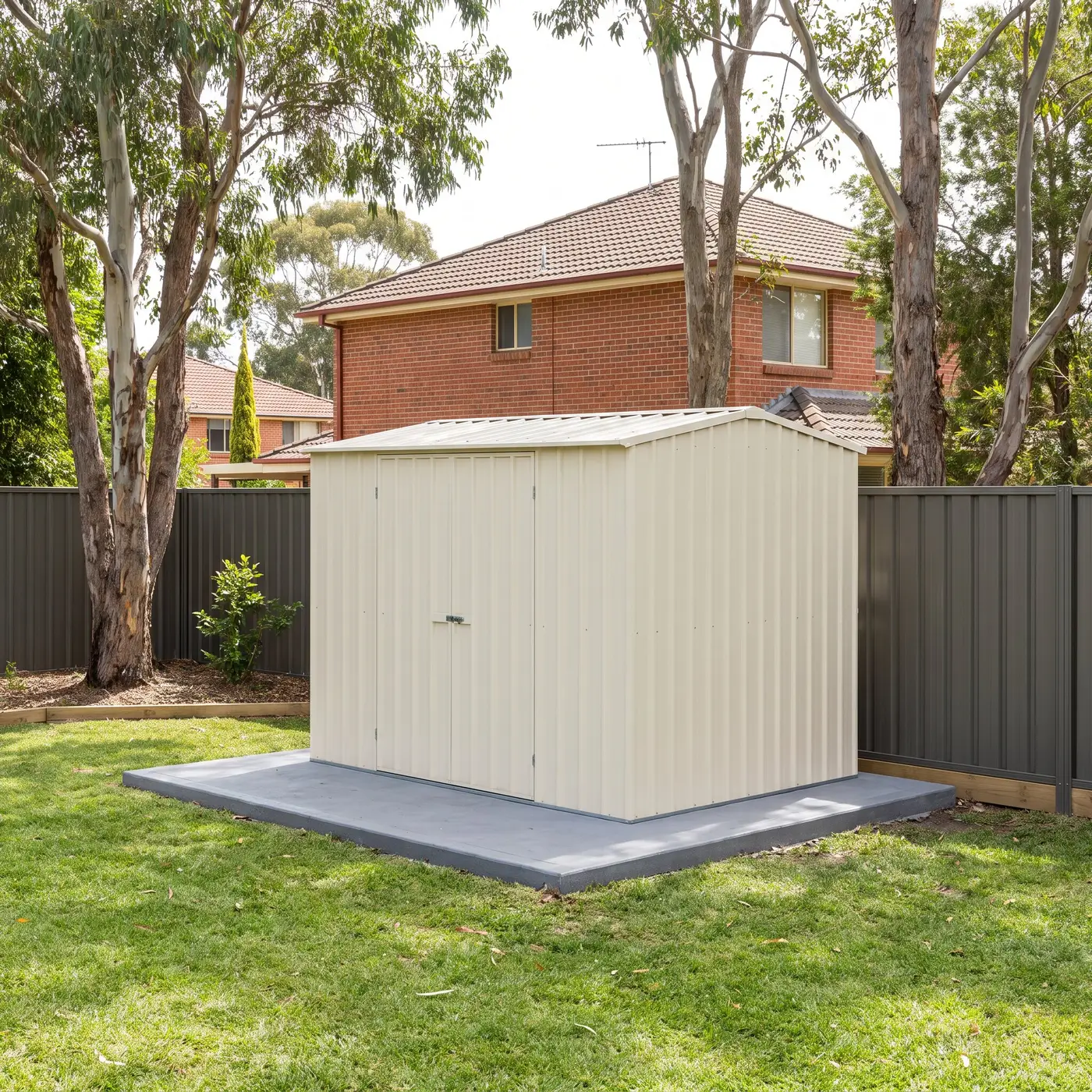
Location and size
Choose the right spot first, thinking about how you will use the shed and how you will get to it. The slab should match the shed's footprint, with a little extra around the perimeter for a robust edge and to keep water runoff away from the walls.
Check local regulations
Before any construction, check with your local council about permits and requirements. Some areas have rules on the size, location and type of foundation for a garden shed, and it is worth confirming these early.
Ground preparation
Preparing the ground properly is critical. The area needs to be level and cleared of vegetation, roots, rocks and debris, and dug down enough to reach firm, stable ground. Good preparation is what stops a slab moving or settling later.
Material quality and mixing
The quality of the concrete and the correct mix are vital for a slab that lasts. Use a mix suited to the weight and use of the shed, and follow the directions closely for the right strength and consistency. If you have no concreting experience, hiring a professional, and experienced concrete company is the surest way to get a slab that is built to last and fit for purpose.
Reinforcement
To add strength and reduce cracking, reinforce the slab with steel mesh or bar, especially if you will store heavy equipment or machinery. Reinforcement gives the foundation the structural integrity it needs to carry the load.
Pouring and levelling
Pour the concrete evenly across the prepared area and use a screed and trowel to level the surface. Set a slight fall away from the shed so water drains off rather than pooling at the base.
The curing process
Concrete needs time to cure and reach full strength. Keep the surface damp for several days after pouring so it does not dry too fast and crack. Hold off building the shed until the slab has cured properly, which typically takes around 28 days.
Sealing and drainage
A waterproofing sealer helps protect the slab from moisture and extends its life, and good drainage around the slab keeps water away from both the concrete and the shed above it.
Future maintenance
Once the shed is up, both it and the slab benefit from the occasional check. Look over the slab now and then for any cracks and seal them promptly to keep water out.
Concrete shed slabs near you
A well-built concrete slab gives a garden shed a strong, durable foundation that keeps it stable and secure for years. Careful planning and attention to detail during installation save time and money on repairs down the track. If you would like a professionally built shed or garage slab in Newcastle, get in touch for a free quote.